
Book Your Consultation

Skin Pigmentation in Malaysia
Learn about common pigmentation concerns such as melasma, sunspots, freckles, and post-inflammatory marks — including what causes them and which treatment options may help improve uneven skin tone.
At The Ritz Clinic in Johor Bahru, we assess whether pigmentation is superficial or deeper, whether it is linked to hormones, sun exposure, inflammation, or skin sensitivity, and whether the skin also needs calming or barrier support before treatment.
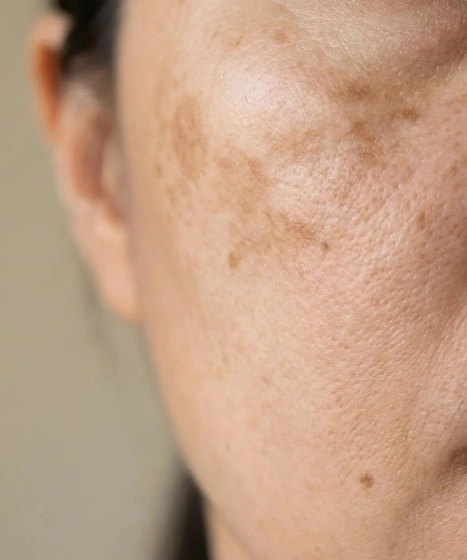
Why Skin Pigmentation Happens
Pigmentation can develop due to excess melanin production, inflammation, hormonal triggers, skin sensitivity, or repeated sun exposure.
Sun Exposure & UV Damage
Ultraviolet exposure can stimulate melanin production and worsen sunspots, freckles, and uneven tone over time.
Hormonal Changes
Hormonal influence may trigger melasma and make pigmentation more stubborn or more likely to recur.
Post-Inflammatory Changes
Acne, irritation, eczema, friction, or other skin inflammation can leave dark marks after the skin heals.
Skin Sensitivity & Barrier Weakness
Easily irritated skin may become inflamed more easily, increasing the risk of persistent pigmentation or rebound darkening.
Types of Skin Pigmentation
Different pigmentation concerns can look similar on the surface, but they may respond differently to treatment depending on depth, trigger, and skin condition.
Common Types of Pigmentation
- Melasma
- Sunspots and age spots
- Freckles
- Post-inflammatory hyperpigmentation
- Patchy uneven skin tone
What We Also Assess
- Whether pigment is superficial or deeper
- Whether the skin is sensitive or reactive
- Whether inflammation is still ongoing
- Whether dullness or barrier weakness is present
- Whether long-term maintenance will be needed
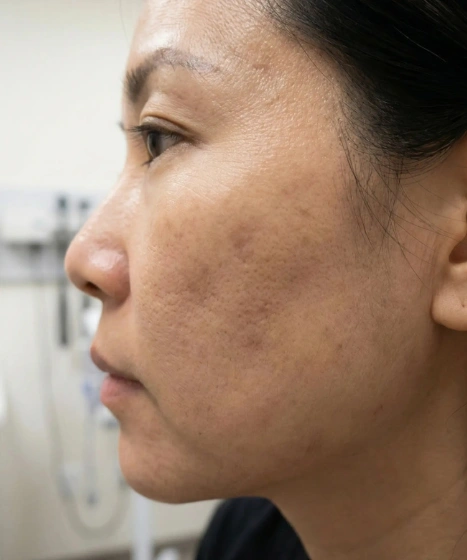
How Skin Pigmentation Is Commonly Managed
Pigmentation treatment is usually planned according to the type of pigment, trigger factors, and how reactive or resilient the skin is. Some cases respond well to pigment-focused laser treatment, while others also need calming care, barrier support, and maintenance planning.
- Target unwanted pigment more precisely
- Reduce the risk of worsening inflammation or rebound darkening
- Support calmer, healthier skin during treatment
- Build a more suitable long-term maintenance plan
What we assess
Pigmentation type, pigment depth, skin sensitivity, trigger factors such as hormones or sun exposure, and whether the skin also needs calming or barrier support.
Why personalised matters
Not all pigmentation should be treated the same way. Melasma, post-inflammatory marks, and sun-related pigment often require different treatment directions and different maintenance strategies.
Treatment Options
Recommended Treatments at The Ritz Clinic
Depending on your pigmentation type, skin sensitivity, and treatment goals, our doctors may recommend different treatment approaches.
For Pigment Reduction & Uneven Skin Tone
Doctor will recommend based on your skin condition during consultation.
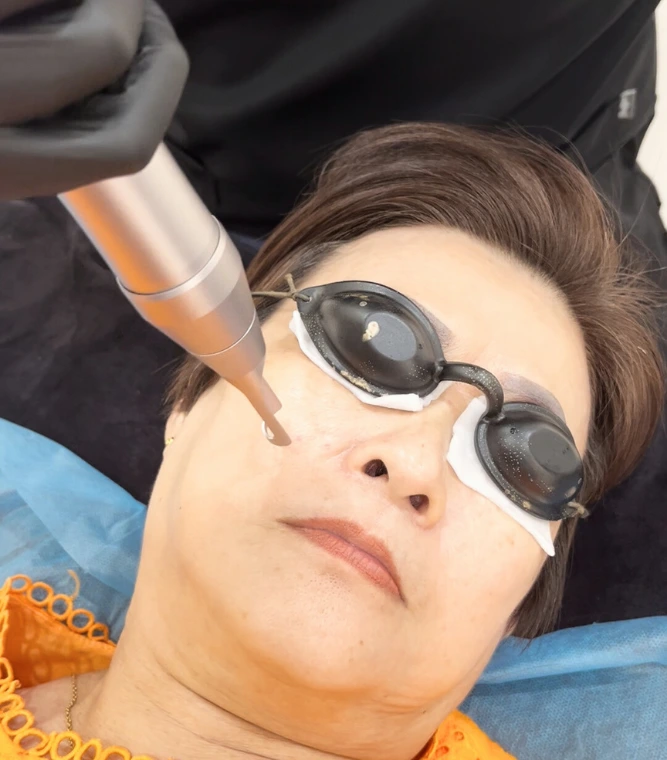
Pico Laser
Helps target unwanted pigment such as sunspots, post-inflammatory marks, and uneven skin tone.
Learn More →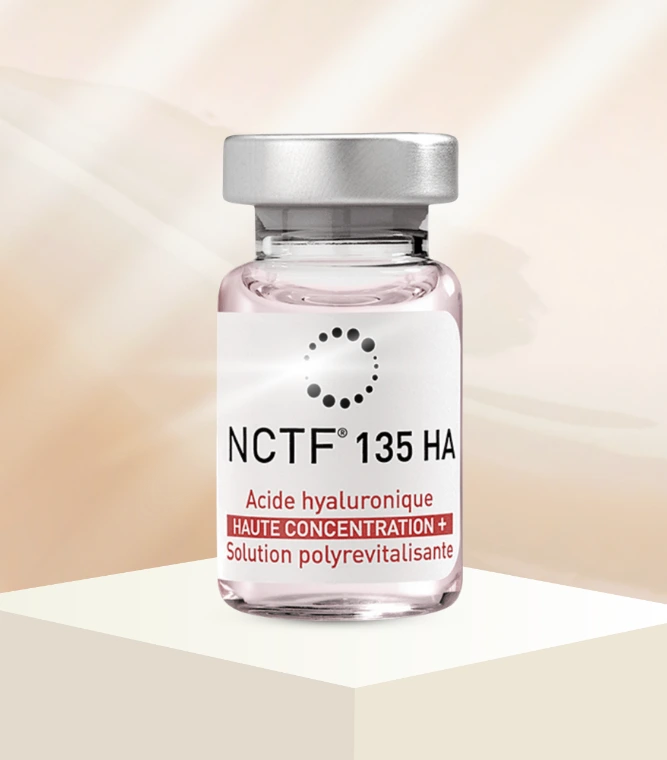
NCTF
Supports brighter-looking, more revitalised skin as part of a broader pigmentation plan.
Learn More →For Sensitive, Reactive, or Inflammation-Prone Skin
Doctor will recommend based on your skin condition during consultation.
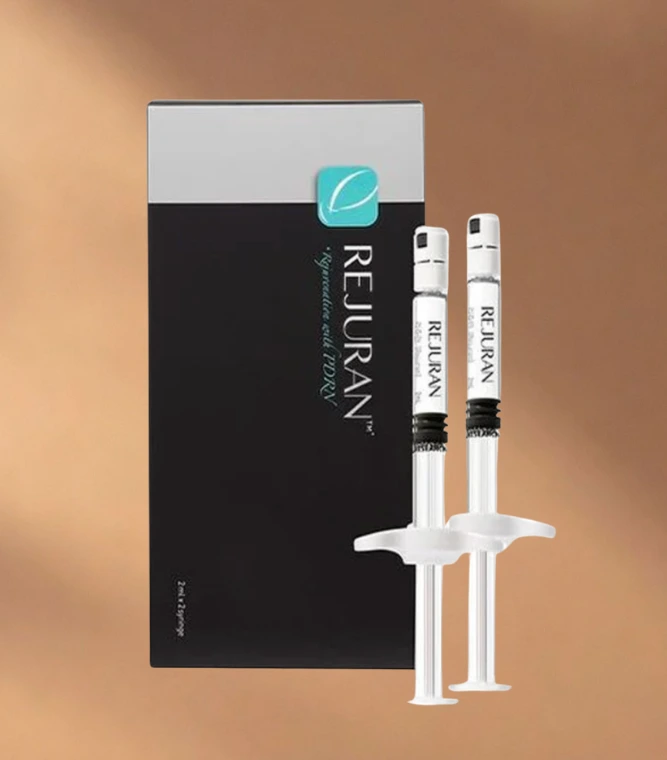
Rejuran
Supports skin repair and may be useful when pigmentation is linked with sensitivity or inflammation.
Learn More →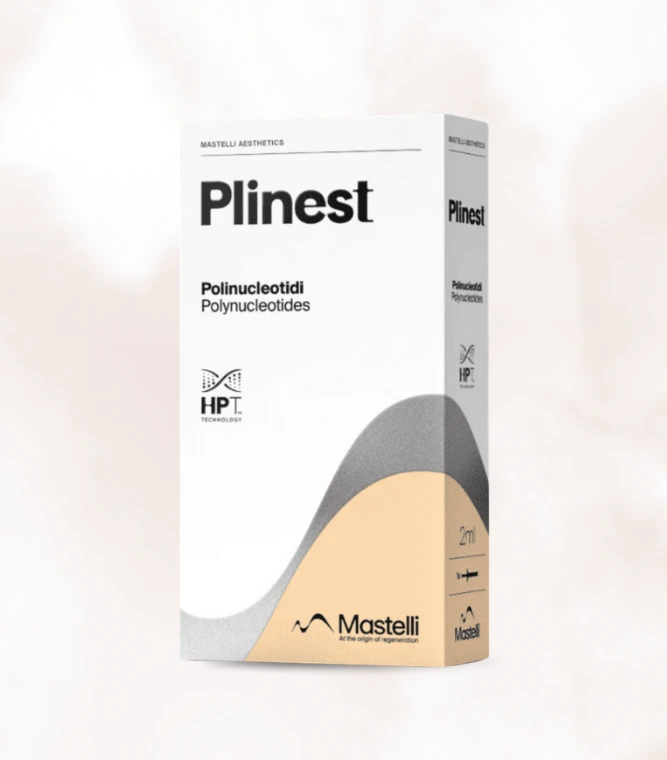
Plinest
May help support calmer, healthier skin when pigmentation is accompanied by reactivity or slower skin recovery.
Learn More →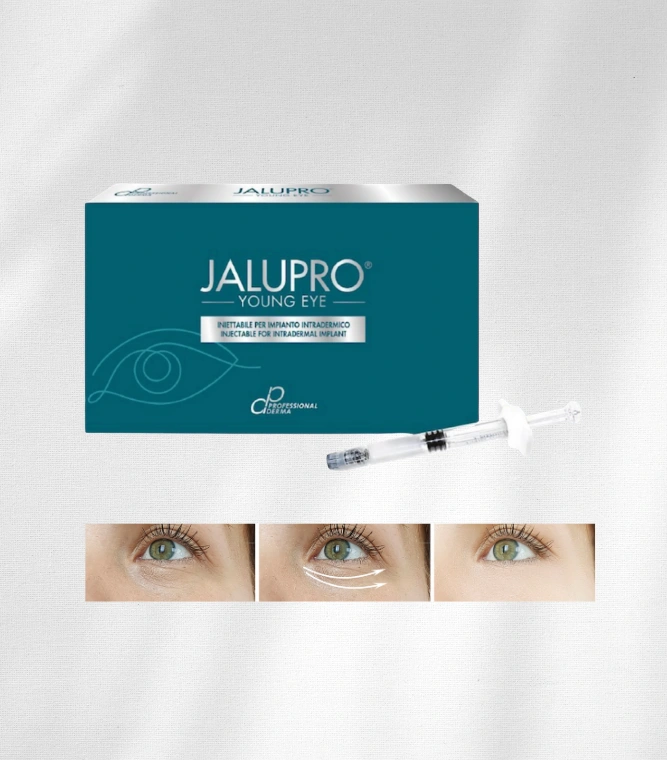
Jalupro Young I
May be considered when pigmentation is paired with dryness, irritation, or weaker skin quality.
Learn More →Which Option May Be More Suitable?
The most suitable treatment direction depends on whether the main concern is deeper pigment, post-inflammatory marks, recurrent melasma, or sensitive skin that needs a gentler treatment plan.
- If the concern is visible pigment or dark spots, pigment-focused treatment may be more relevant
- If the skin is easily irritated or inflamed, barrier support and calming care may also be important
- If the pigmentation is recurrent, long-term maintenance and sun protection usually matter just as much as treatment itself
Doctor-Led Assessment for Skin Pigmentation
Pigmentation is not always just a surface concern. It may involve hormones, inflammation, skin sensitivity, and recurrence risk. At The Ritz Clinic, treatment planning is guided by experienced doctors so recommendations can be adapted to your pigmentation type, skin condition, and long-term goals.
Results vary between individuals. A consultation is recommended before starting any treatment.
Frequently Asked Questions
Common questions patients ask about melasma, dark spots, uneven tone, and recurring pigmentation.
Is pigmentation always permanent?
Not always. Some forms of pigmentation can improve with treatment and strict sun protection, while others such as melasma may recur and need long-term maintenance.
What type of pigmentation do I have?
Common types include melasma, sunspots, freckles, and post-inflammatory hyperpigmentation. A proper assessment helps guide the most suitable treatment approach.
Can pigmentation come back after treatment?
Yes. Pigmentation can recur due to sun exposure, hormones, inflammation, heat, or inconsistent maintenance, especially in melasma-prone skin.
Do all dark spots need laser treatment?
Not always. Some cases may also need skin-calming care, brightening skincare, barrier support, and a personalised maintenance plan instead of relying on one treatment alone.
Ready to Understand Your Pigmentation Better?
Book a consultation to get a personalised assessment for melasma, dark spots, and uneven skin tone.