Book Your Consultation

Saggy Skin Treatment in Malaysia
Learn more about saggy skin, including why facial skin starts to look looser, less firm, or less lifted — and which doctor-led treatments may help improve support, definition, and skin quality.
At The Ritz Clinic in Johor Bahru, we assess whether the concern is mainly skin laxity, collagen loss, weakened support, or volume-related descent before recommending a more suitable treatment direction.
Why Skin Starts to Sag
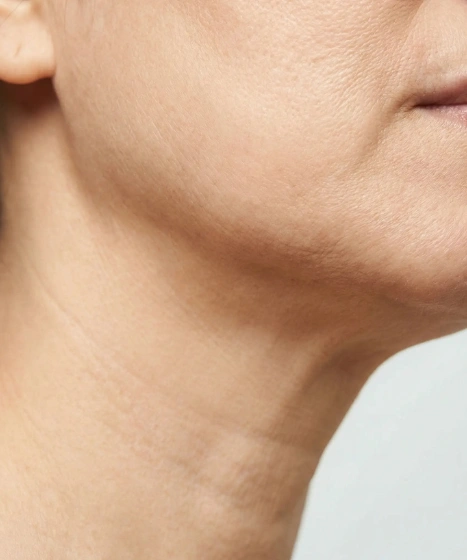
Saggy skin is often linked to a gradual loss of collagen, elastin, skin support, and facial structure over time.
Collagen & Elastin Decline
As natural collagen and elastin reduce with age, skin becomes less firm, less springy, and more prone to visible laxity.
Volume Loss & Tissue Descent
Loss of deeper facial support may cause the cheeks, jawline, and lower face to look heavier or less lifted.
Sun Exposure & Lifestyle
UV damage, smoking, stress, and poor sleep may accelerate visible aging and weaken long-term skin support.
Thin or Weakened Skin Quality
Dehydrated or thinner skin can look crepier, less resilient, and more prone to sagging changes.
How Saggy Skin May Show Up
Skin laxity can affect different parts of the face and neck. Understanding where the concern is most visible helps guide treatment planning.
Visible Signs of Skin Laxity
- Loss of firmness in the cheeks or lower face
- Softer jawline definition
- Mild jowling or facial heaviness
- Looser-looking neck skin
- Crepey, thin, or tired-looking skin texture
What May Be Contributing
- Collagen and elastin loss
- Volume depletion and structural descent
- Weakened skin quality
- Ageing changes in the lower face
- Combination of laxity and facial imbalance
How Saggy Skin Is Commonly Treated
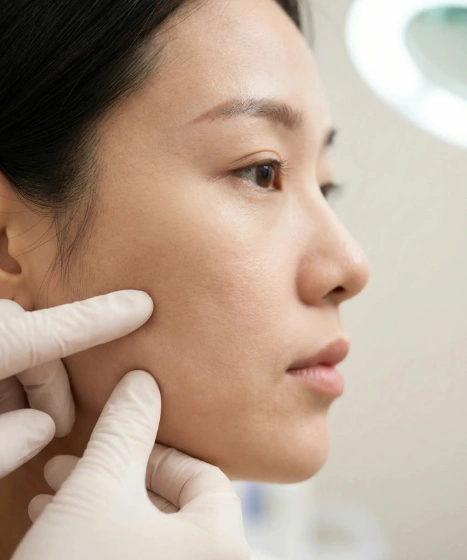
Saggy skin is usually managed based on whether the main issue is skin laxity, collagen loss, weakened skin quality, or the need for stronger structural lifting. Many patients benefit from a combination approach.
- Support skin tightening and visible lifting
- Stimulate collagen for firmer-looking skin over time
- Improve skin quality, resilience, and crepey texture
- Match treatment intensity to the degree of laxity and treatment area
What we assess
Degree of laxity, skin thickness, collagen support, facial proportions, jawline and lower-face changes, and whether the neck is also affected.
Why personalised matters
Mild laxity may respond to tightening devices, while more noticeable sagging may need collagen support or thread-based lifting. The right plan depends on the cause.
Treatment Options
Recommended Treatments at The Ritz Clinic
Depending on whether the concern is mild skin laxity, lower-face sagging, collagen loss, or weaker skin quality, different treatment directions may be considered.
For Skin Tightening & Lifting
Doctor will recommend based on your skin laxity, treatment area, and lifting needs during consultation.
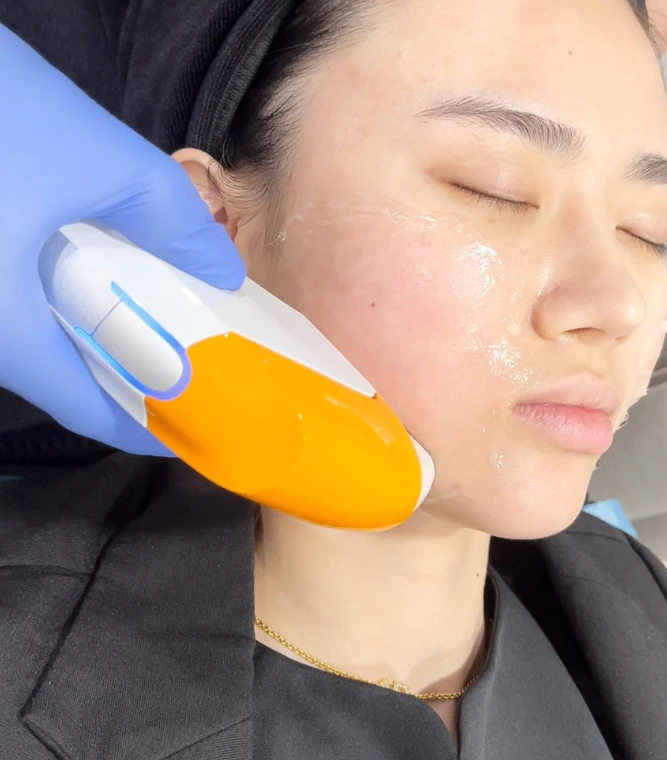
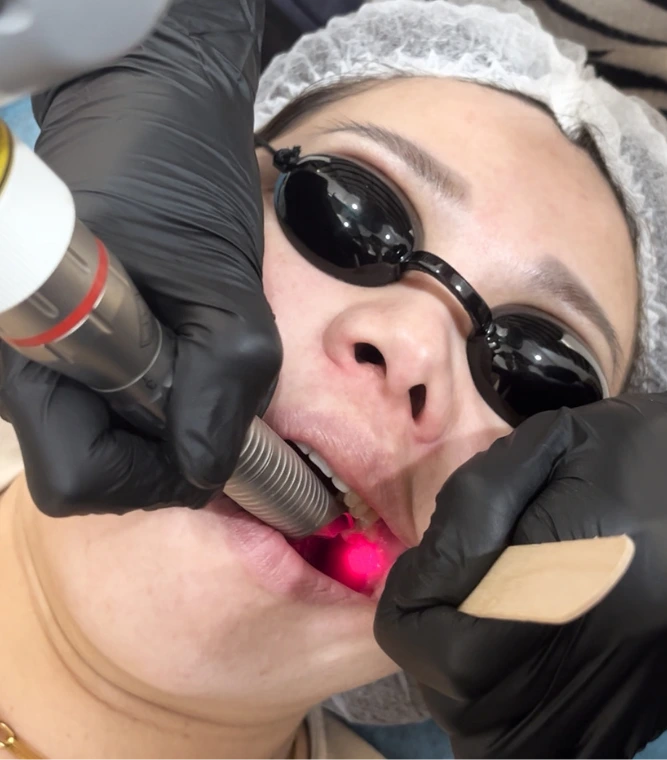
Fotona 4D
Supports lifting, tightening, and collagen remodelling for firmer-looking skin.
Learn More →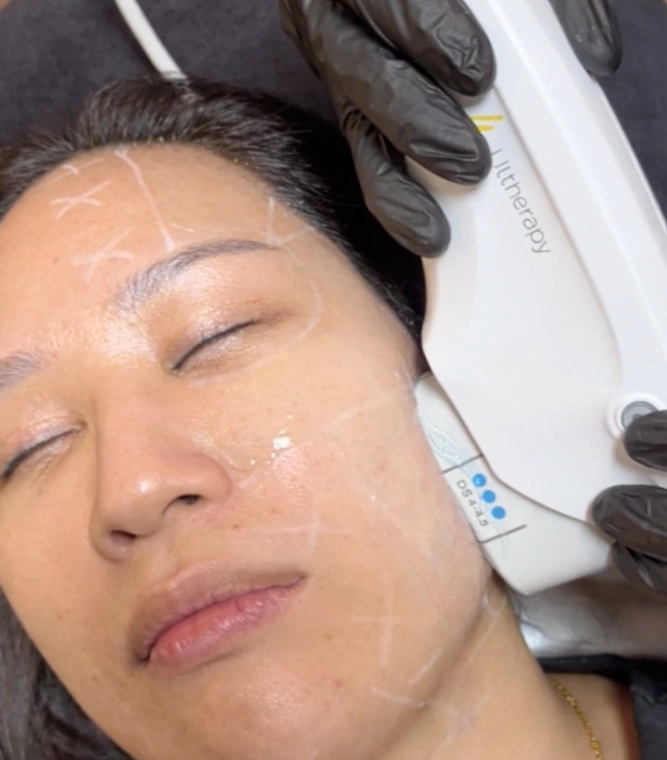
Ultherapy Prime
Suitable when stronger face lifting support is needed through focused ultrasound technology.
Learn More →For Collagen Support & Structural Lift
Doctor will recommend based on collagen loss, skin quality, and how much support the face needs.
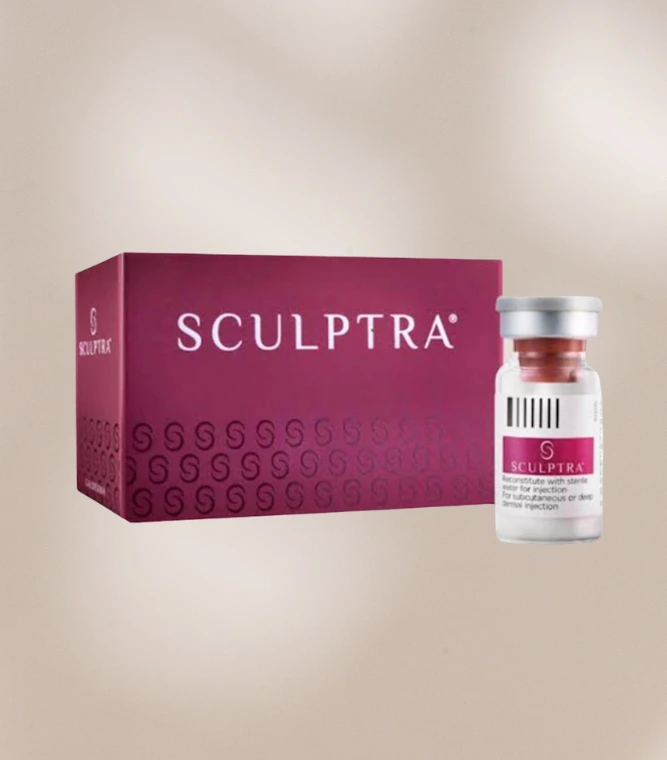
Sculptra
Stimulates collagen gradually to support firmer skin and better facial structure over time.
Learn More →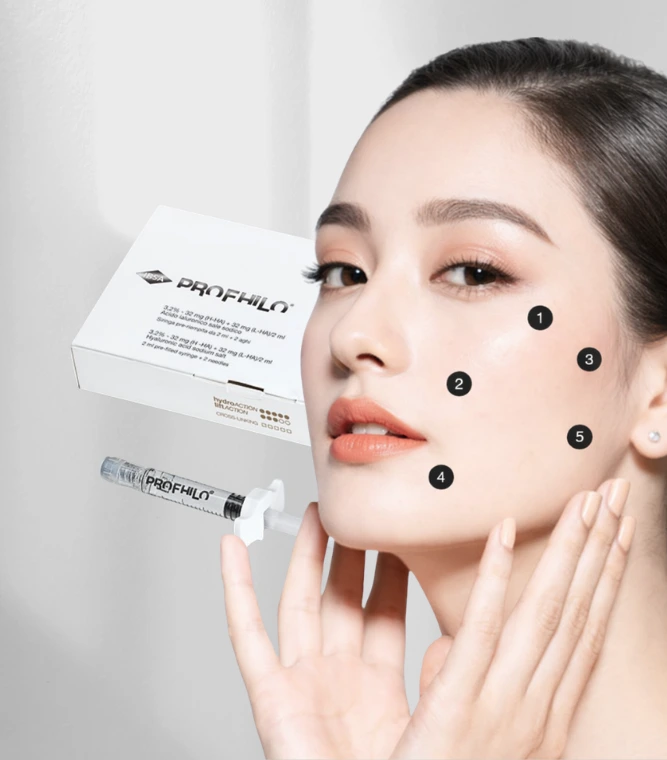
Profhilo
Supports hydration, skin remodelling, and overall skin quality when laxity is paired with thinner skin.
Learn More →
Aptos Thread
May be considered when stronger structural lifting and contour support are needed.
Learn More →Which Option May Be More Suitable?
The most suitable approach depends on whether the main concern is mild laxity, lower-face heaviness, reduced collagen support, or the need for stronger lifting.
- If sagging is still mild, tightening treatments may be considered first
- If collagen support is weak, biostimulating treatments may be more relevant
- If the lower face or jawline needs stronger support, thread lifting may be considered in selected cases
Doctor-Led Assessment for Saggy Skin
Saggy skin is not always caused by one factor alone. It may involve skin laxity, reduced collagen, structural descent, and changes in skin quality. At The Ritz Clinic, treatment planning is guided by experienced doctors so recommendations can be adjusted according to facial anatomy, treatment area, and lifting goals.
Results vary between individuals. A consultation is recommended before starting any treatment.
Frequently Asked Questions
Common questions patients ask when they notice looser skin, reduced firmness, or a less defined face shape.
Can saggy skin improve without surgery?
Mild to moderate sagging can often be improved with non-surgical tightening, collagen-stimulating treatments, and structural support depending on the cause.
What age does saggy skin usually start?
Skin laxity can begin earlier than expected, especially with sun exposure, lifestyle stressors, dehydration, and genetic predisposition.
Is one treatment enough?
Not always. Saggy skin often involves multiple factors, so combination treatment plans may provide more balanced and natural-looking results.
Is thread lift always necessary?
Not necessarily. Some patients may improve with tightening or collagen-support treatments alone, while others may need stronger lifting support depending on the degree of sagging.
Ready to Understand Your Lifting Options Better?
Book a consultation to get a personalised assessment for saggy skin, facial laxity, and skin-tightening treatment options.