Book Your Consultation
Enlarged Pores in Malaysia
Learn about enlarged pores, including common causes such as oily skin, acne history, uneven texture, and collagen loss — as well as treatment options that may help improve skin texture and reduce visible pore size.
At The Ritz Clinic in Johor Bahru, we first assess whether the concern is mainly related to excess oil, acne-related textural change, reduced skin support, or a combination of factors. This helps guide a more personalised treatment direction instead of relying on one single approach for every patient.
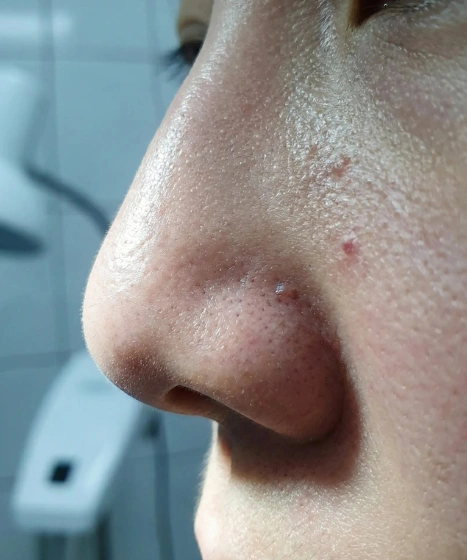
Why Enlarged Pores Happen
Enlarged pores can happen for different reasons, and not every case is caused by oily skin alone. The underlying cause affects which treatment direction may be more suitable.
Excess Oil Production
Overactive sebaceous glands can stretch pore openings and make them appear larger, especially around the nose, cheeks, and T-zone.
Acne & Congestion
Repeated breakouts, blackheads, and clogged pores can affect skin texture over time and leave pores looking more noticeable.
Collagen Loss & Ageing
As collagen support weakens, the skin around pores becomes less firm, making pore openings look looser and wider.
Sun Damage & Texture Changes
Long-term UV exposure can weaken skin structure and worsen uneven texture, which can make enlarged pores more visible.
Types of Enlarged Pore Concerns
Patients often use the term “large pores” broadly, but the visible concern may come from different skin patterns. Identifying the pattern more clearly helps guide the next step.
Common Pore Patterns
- Oily skin with visibly enlarged pore openings
- Congested pores linked to blackheads and acne
- Rough texture with more noticeable pores on the cheeks
- Aging-related pores with weaker skin support
- A combination of oil, acne history, and collagen loss
What May Be Involved
- Excess sebum production
- Past or ongoing acne activity
- Texture irregularity and shallow acne-related change
- Reduced collagen and weaker skin firmness
- Sun damage affecting skin quality
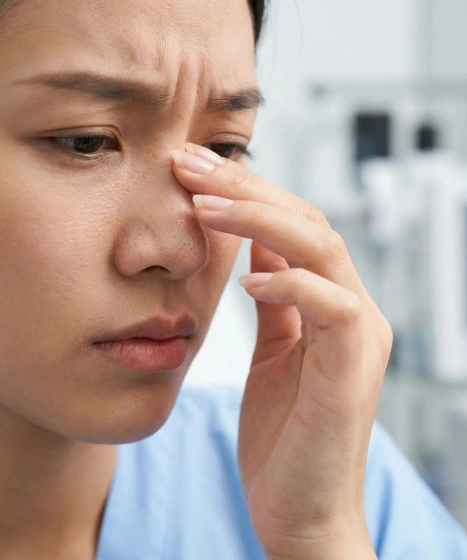
How Enlarged Pore Concerns Are Commonly Managed
Enlarged pore concerns are usually approached based on whether the main issue is oiliness, congestion, textural change, or reduced skin support. In selected cases, improving pore appearance is less about one treatment alone and more about addressing both surface texture and deeper skin quality.
- Improve skin texture and refine visible pore appearance
- Support clearer skin where congestion and acne history are involved
- Enhance collagen support where ageing makes pores look looser
- Tailor recommendations based on skin condition and treatment goals
What we assess
Oil production, congestion, acne history, skin texture, collagen support, and how the pores appear across different areas of the face.
Why personalised matters
Some patients mainly need texture refinement, while others need better skin repair or collagen support. A more tailored plan supports a more natural-looking improvement.
Treatment Options
Recommended Treatments at The Ritz Clinic
Depending on whether the concern is mainly related to rough texture, acne-related change, or weaker skin support, different treatment categories may be considered.
For Pore Refinement & Skin Texture
Doctor will recommend based on your skin condition, anatomy, and treatment goals during consultation.
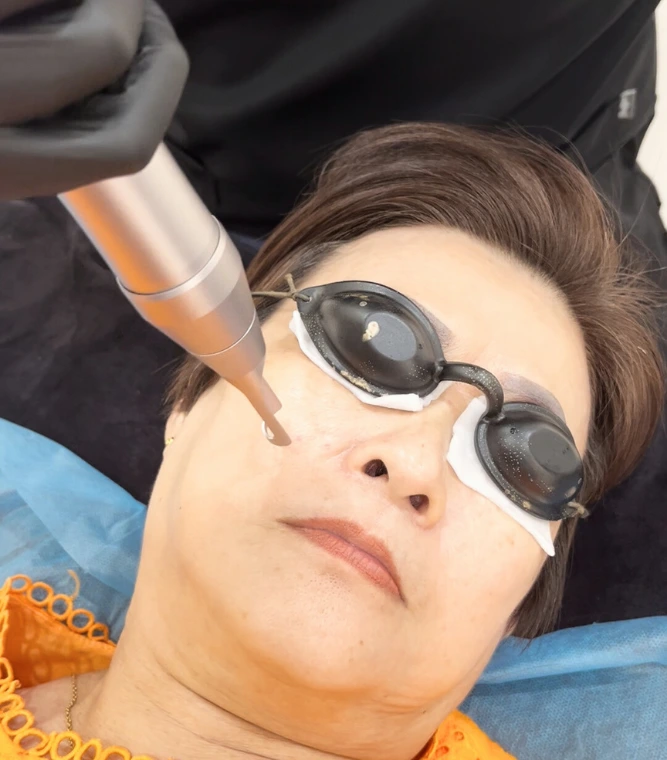
Pico Laser
Helps refine skin texture and may improve the appearance of enlarged pores in selected cases.
Learn More →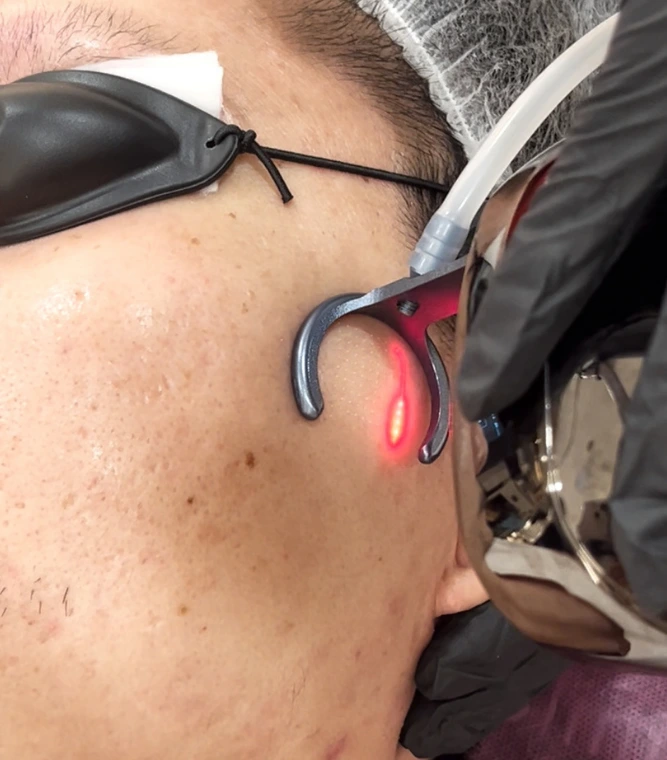
CO2 Laser
Targets rougher skin texture and may help improve pores that are more visible because of textural irregularity.
Learn More →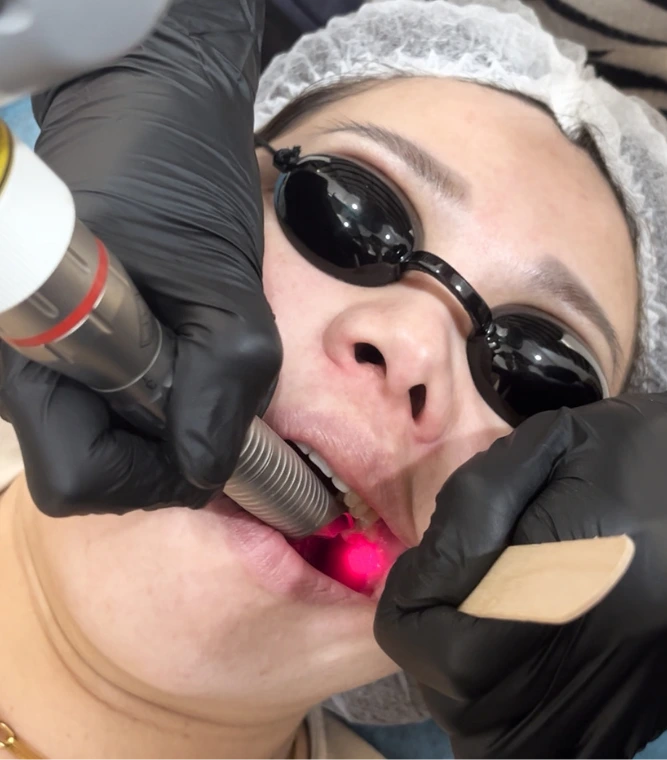
Fotona 4D
Supports skin renewal and may help improve smoother-looking texture in selected pore concerns.
Learn More →For Acne-Related Pores & Skin Repair
Doctor will recommend based on your skin condition, anatomy, and treatment goals during consultation.
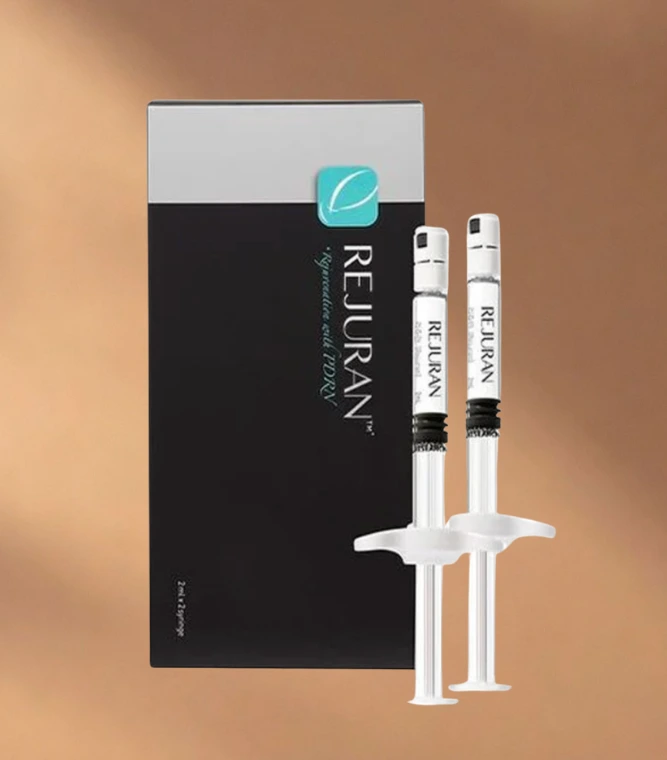
Rejuran
Supports skin repair in selected cases where pores are linked to acne history, inflammation, or weaker skin resilience.
Learn More →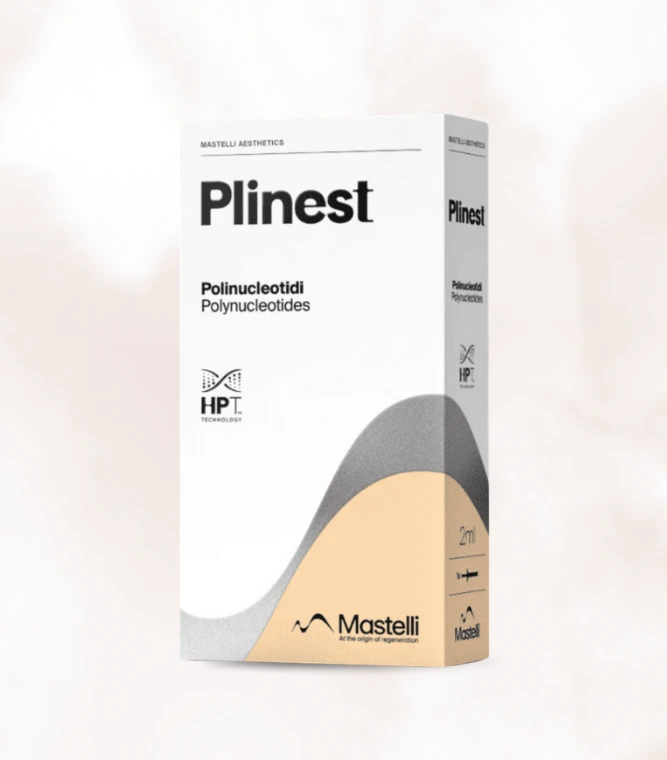
Plinest
May be considered when the skin needs regenerative support alongside treatment for texture and visible pores.
Learn More →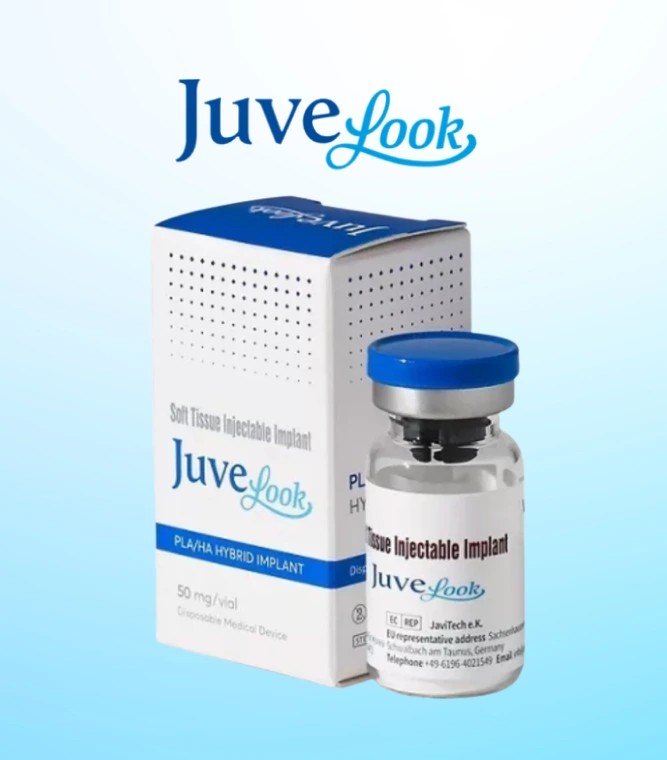
Juvelook
May help support smoother-looking skin where enlarged pores are paired with visible texture concerns.
Learn More →For Skin Quality & Smoother Appearance
Doctor will recommend based on your skin condition, anatomy, and treatment goals during consultation.
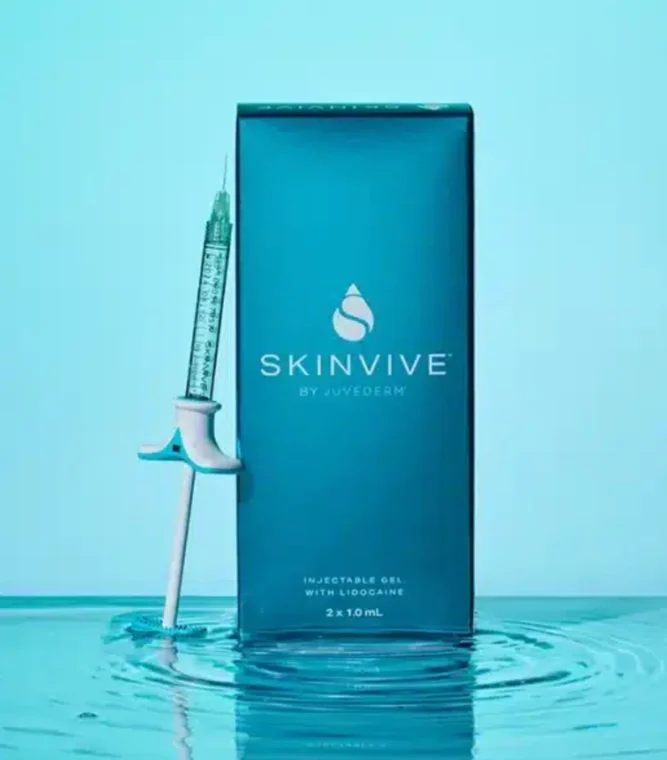
Skinvive
Supports smoother-looking skin and may complement treatment plans where enlarged pores are paired with weaker skin quality.
Learn More →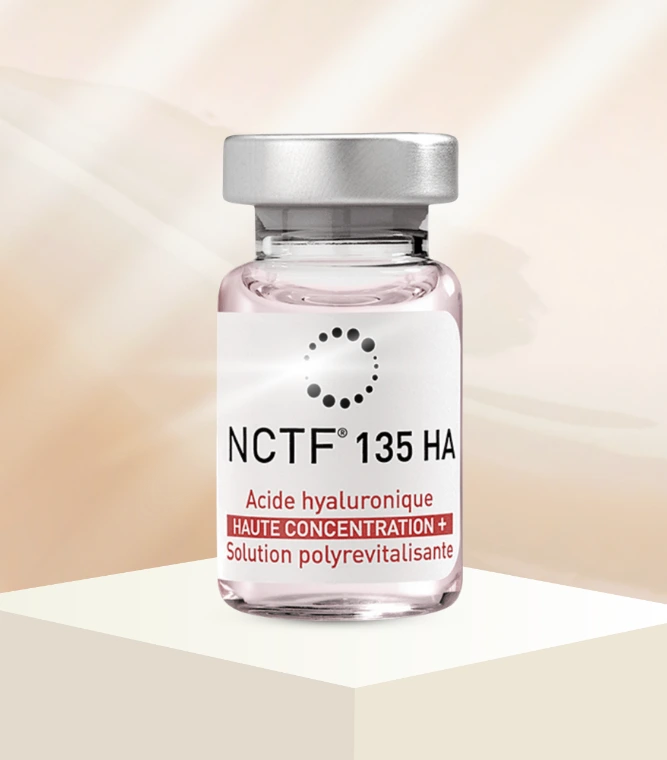
NCTF
May help improve overall skin quality and freshness in selected patients with dull or textured skin.
Learn More →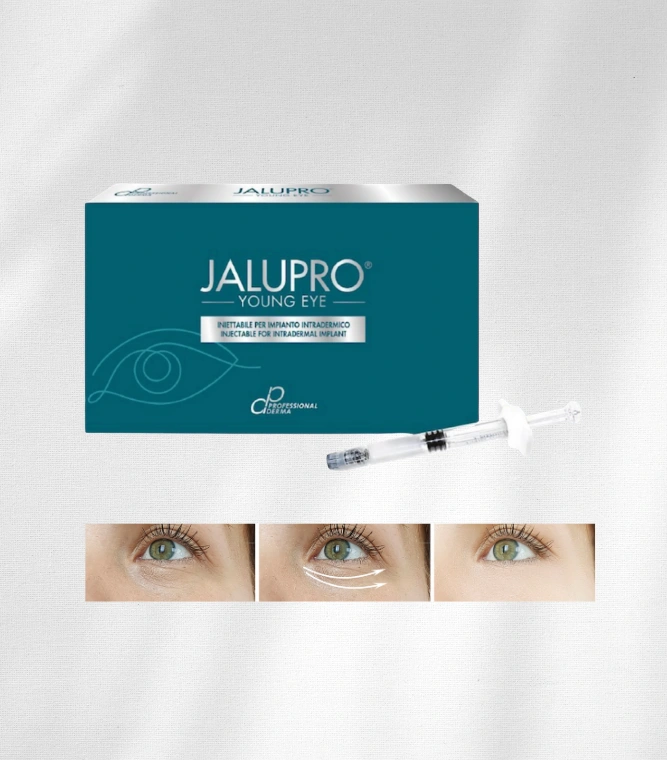
Jalupro
May be considered where hydration support and overall skin quality improvement are part of the treatment goal.
Learn More →For Aging Pores & Collagen Support
Doctor will recommend based on your skin condition, anatomy, and treatment goals during consultation.
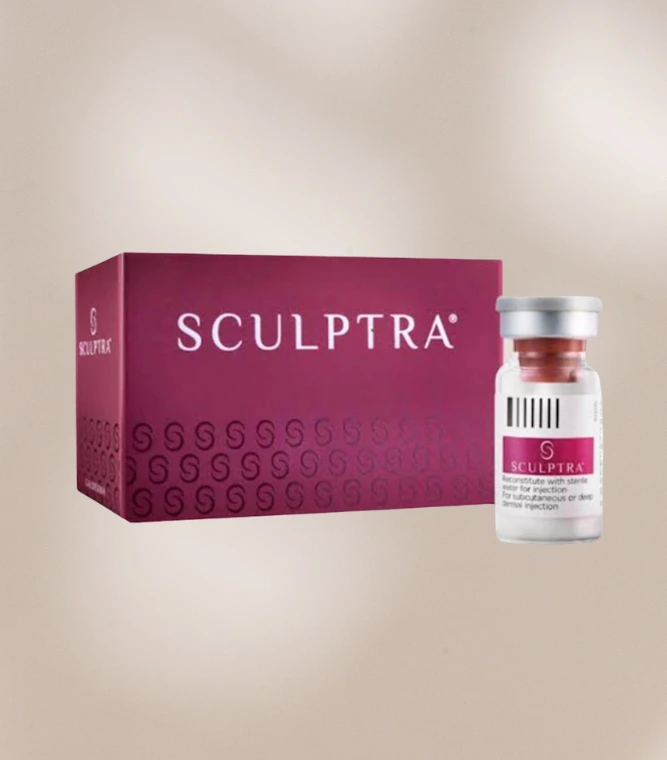
Sculptra
Stimulates collagen to support skin structure over time in selected cases where enlarged pores are linked to reduced firmness.
Learn More →Which Option May Be More Suitable?
The most suitable direction depends on whether the main concern is excess oil, acne-related texture, or reduced skin support rather than one single “large pores” cause.
- If the pores look more visible because of rough texture or acne history, texture-focused treatments may be more relevant
- If the skin needs better repair or resilience, regenerative support may be considered
- If the pores appear looser with ageing, collagen-supporting treatments may play an important role in overall improvement
Doctor-Led Assessment for Enlarged Pores & Texture Concerns
Enlarged pores may involve more than one factor, including oil production, acne history, sun damage, and reduced skin support. At The Ritz Clinic, treatment planning is guided by experienced doctors so recommendations can be adjusted according to skin condition, texture goals, and the suitability of each treatment option.
Results vary between individuals. A consultation is recommended before starting any treatment.
Frequently Asked Questions
Common questions patients ask when they want to improve enlarged pores and overall skin texture.
Can enlarged pores be permanently removed?
No. Pores are a natural part of the skin, but their appearance can often be improved with the right treatment approach and maintenance.
Are enlarged pores always caused by oily skin?
Not always. Oily skin is a common cause, but acne history, textural change, and collagen loss can also make pores appear larger.
Which treatment is best for enlarged pores?
It depends on whether the main issue is oiliness, acne-related texture change, or aging-related collagen loss. A consultation helps determine the more suitable direction.
Can one treatment fix every type of enlarged pore concern?
Not always. Because the cause varies from person to person, some patients may respond better to texture refinement, while others may benefit more from repair or collagen-supporting treatments.
Ready to Understand Your Skin Texture Better?
Book a consultation to get a personalised assessment for enlarged pores and texture concerns.