Book Your Consultation

Acne & Acne Scars in Malaysia
Learn about acne, post-acne marks, and acne scars — including common causes, skin changes, and treatment options that may help improve overall skin clarity and texture.
At The Ritz Clinic in Johor Bahru, we approach acne concerns by first understanding whether the issue is active inflammation, oily congestion, post-acne pigmentation, or longer-term scarring. This helps guide a more personalised treatment direction.
Why Acne Happens
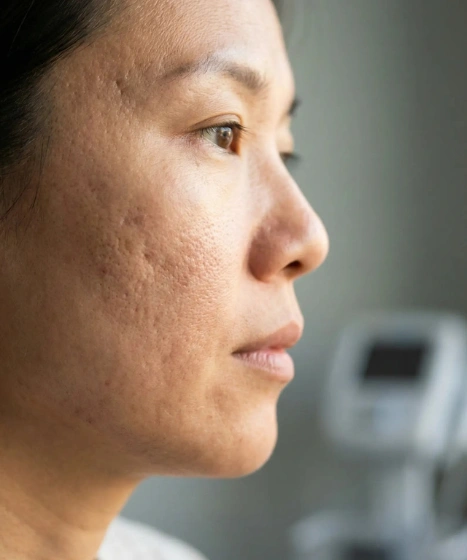
Acne can develop from a combination of oil imbalance, blocked pores, inflammation, hormones, and post-acne skin changes.
Excess Oil & Clogged Pores
Overactive oil glands and dead skin buildup can block pores, creating an environment where acne develops more easily.
Bacteria & Inflammation
Acne-related bacteria and inflammation can trigger redness, swelling, tenderness, and more persistent breakouts.
Hormones & Lifestyle
Hormonal fluctuations, stress, sleep disruption, and certain lifestyle habits may worsen acne activity in some individuals.
Post-Acne Damage
Ongoing inflammation may leave behind dark marks, redness, enlarged pores, uneven texture, or visible acne scars.
Types of Acne & Acne Scars
Different acne patterns and scar types can affect treatment planning. Understanding the condition more clearly helps guide the next step.
Types of Acne
- Blackheads and whiteheads
- Inflammatory acne with redness and swelling
- Papules and pustules
- Cystic acne and deeper painful breakouts
- Hormonal or congestion-related acne
Types of Acne Marks & Scars
- Post-inflammatory hyperpigmentation
- Persistent red marks after acne
- Ice pick scars
- Boxcar scars
- Rolling scars and uneven texture
How Acne Concerns Are Commonly Managed
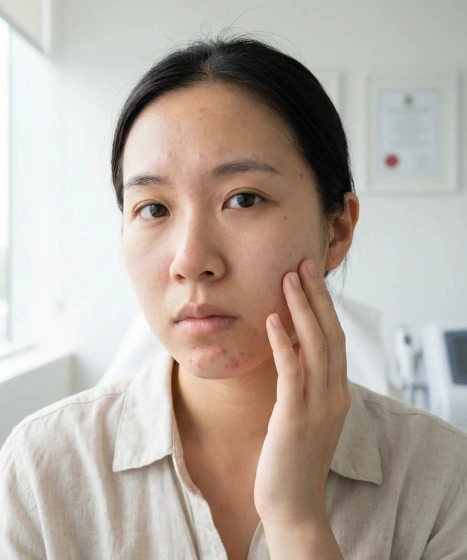
Acne concerns are usually approached in stages. Active inflammation is often addressed first, followed by post-acne marks, pigmentation, and then texture-related concerns such as acne scars.
- Support better control of active breakouts and inflammation
- Improve acne marks, redness, and post-acne pigmentation
- Address uneven texture, enlarged pores, and acne scarring
- Tailor recommendations based on skin condition and treatment goals
What we assess
Acne type, inflammation level, oil production, skin sensitivity, acne marks, pigmentation, and the presence of shallow or deeper acne scars.
Why personalised matters
Active acne, acne marks, and acne scars often require different approaches. A tailored plan supports better outcomes and more appropriate care.
Treatment Options
Recommended Treatments at The Ritz Clinic
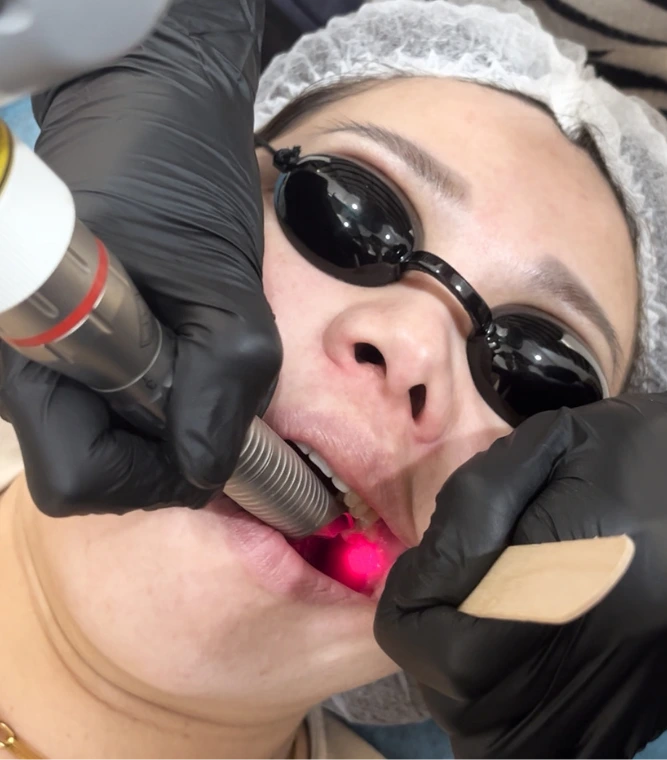
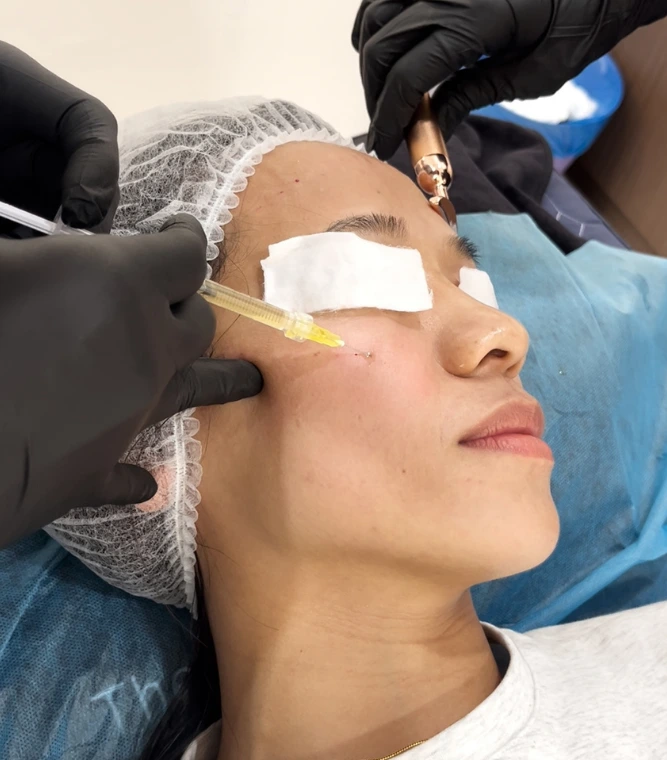
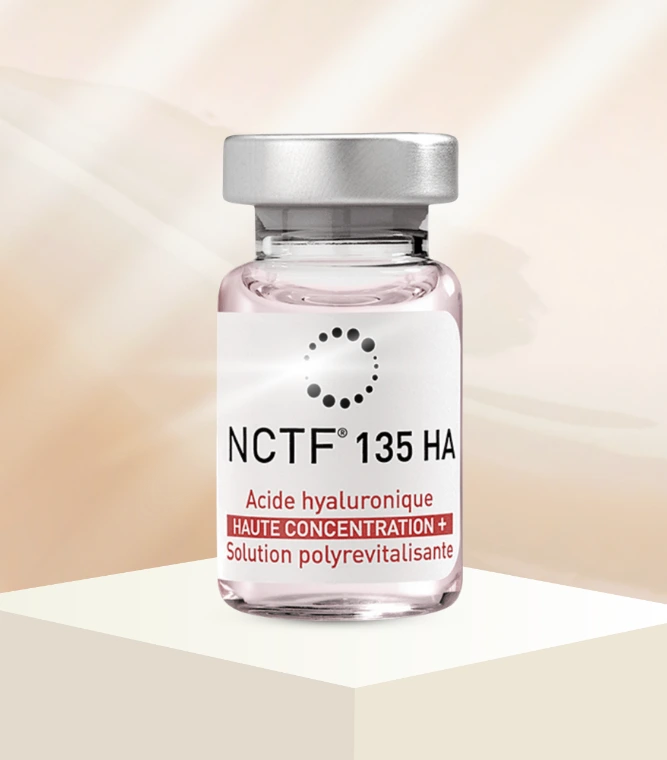
Depending on your skin condition — whether active acne, post-acne marks, or uneven texture — our doctors may recommend different treatment approaches.
For Active Acne & Post-Acne Marks
Doctor will recommend based on your skin condition during consultation.
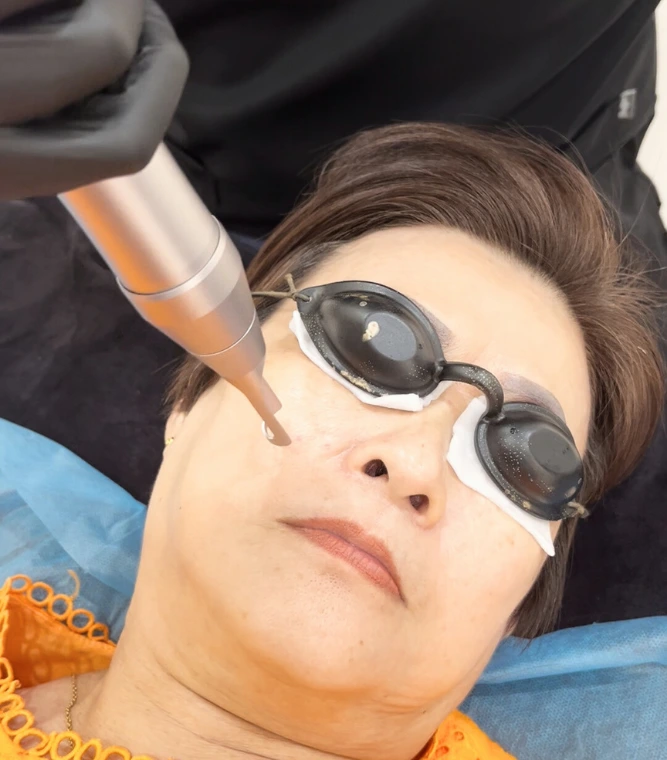
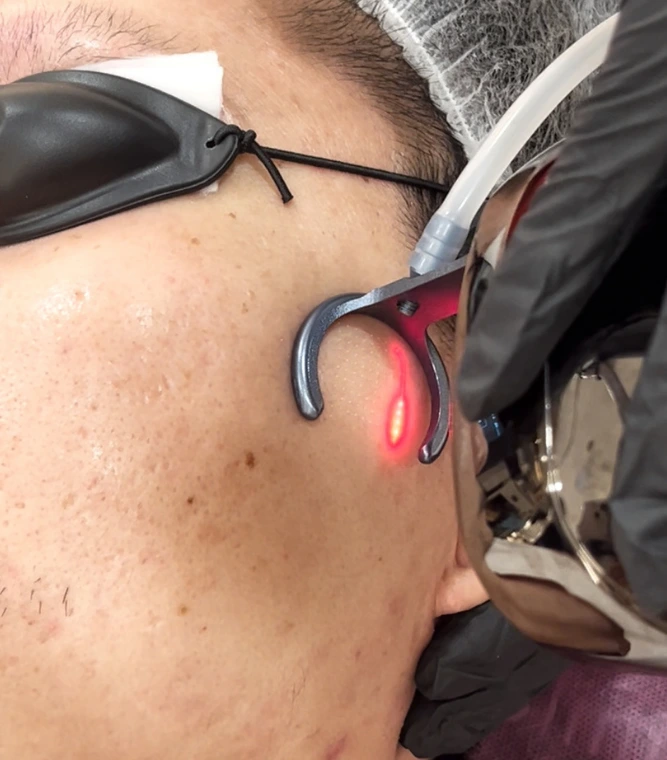
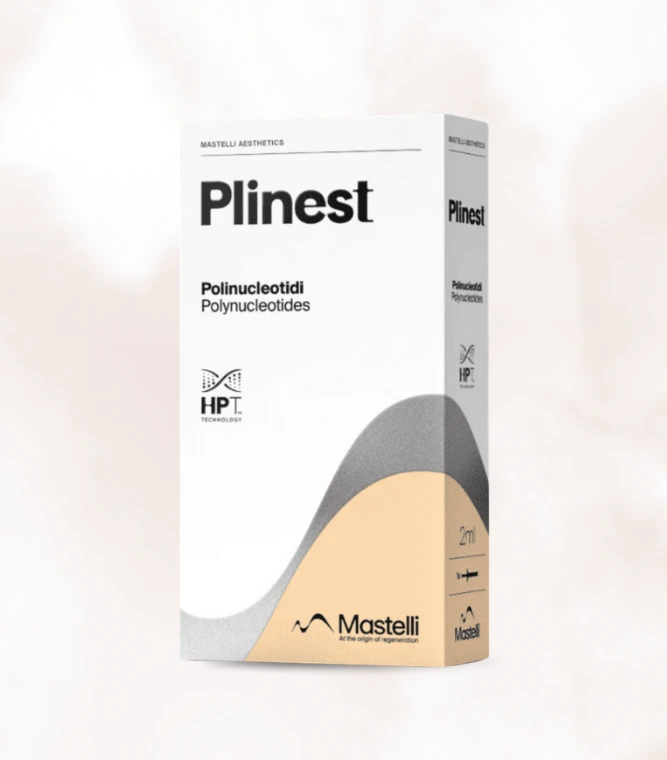
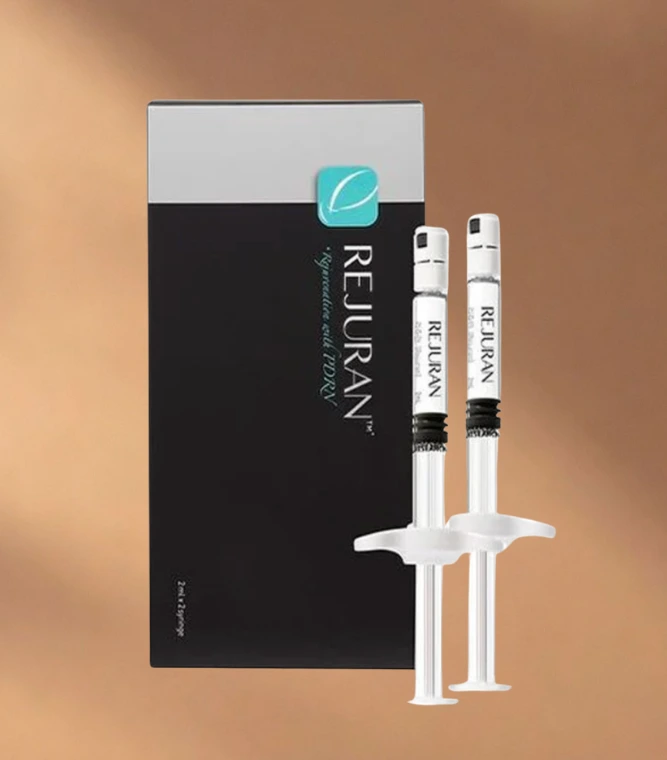
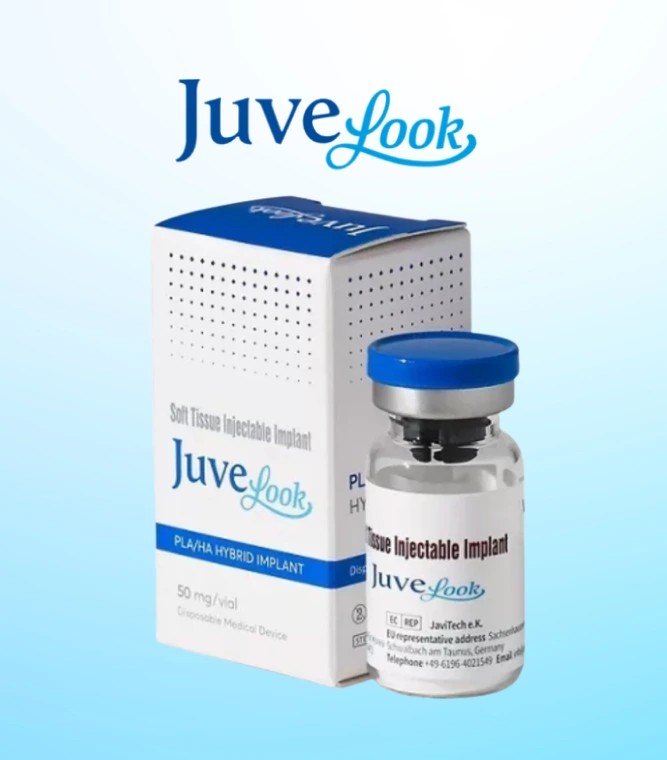
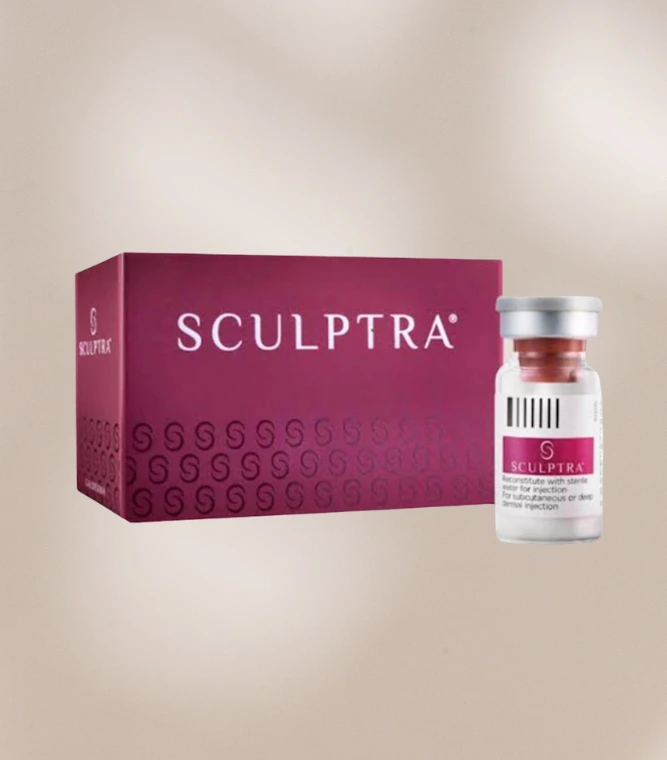
For Acne Scars & Uneven Texture
Doctor will recommend based on your skin condition during consultation.
Which Option May Be More Suitable?
The most suitable treatment direction depends on whether the main concern is ongoing breakouts, post-acne pigmentation, or longer-term textural change from acne scarring.
- If acne is still active, inflammation control usually comes first
- If acne has settled but left marks, pigmentation-focused options may be more relevant
- If uneven texture or depressed scars are the concern, collagen-stimulating or resurfacing options may be considered
Doctor-Led Assessment for Acne & Acne Scars
Acne is not only a cosmetic concern. It may involve inflammation, skin sensitivity, pigmentation, and longer-term scarring. At The Ritz Clinic, treatment planning is guided by experienced doctors so recommendations can be adjusted according to skin condition, scar type, and overall treatment goals.
Results vary between individuals. A consultation is recommended before starting any treatment.
Frequently Asked Questions
Common questions patients ask when dealing with breakouts, post-acne marks, and acne scars.
Can acne scars be improved without surgery?
Yes. Many acne scars can be improved with non-surgical options such as laser resurfacing, collagen-stimulating treatments, and medical skin programmes. Suitability depends on scar type and skin condition.
Should active acne be treated before acne scars?
In most cases, yes. Active acne is usually addressed first before scar-focused treatment begins, especially when inflammation is still ongoing.
How long does it take to see improvement?
Some patients notice improvement in active acne within weeks, while acne marks and acne scars often require multiple sessions over time.
Can acne marks fade without treatment?
Some mild marks may fade gradually, but persistent pigmentation, redness, or acne scarring may improve more effectively with professional treatment and proper skin management.
Ready to Understand Your Skin Better?
Book a consultation to get a personalised assessment for acne, acne marks, and acne scars.